What to Do When Elderly Parent Refuses to Move
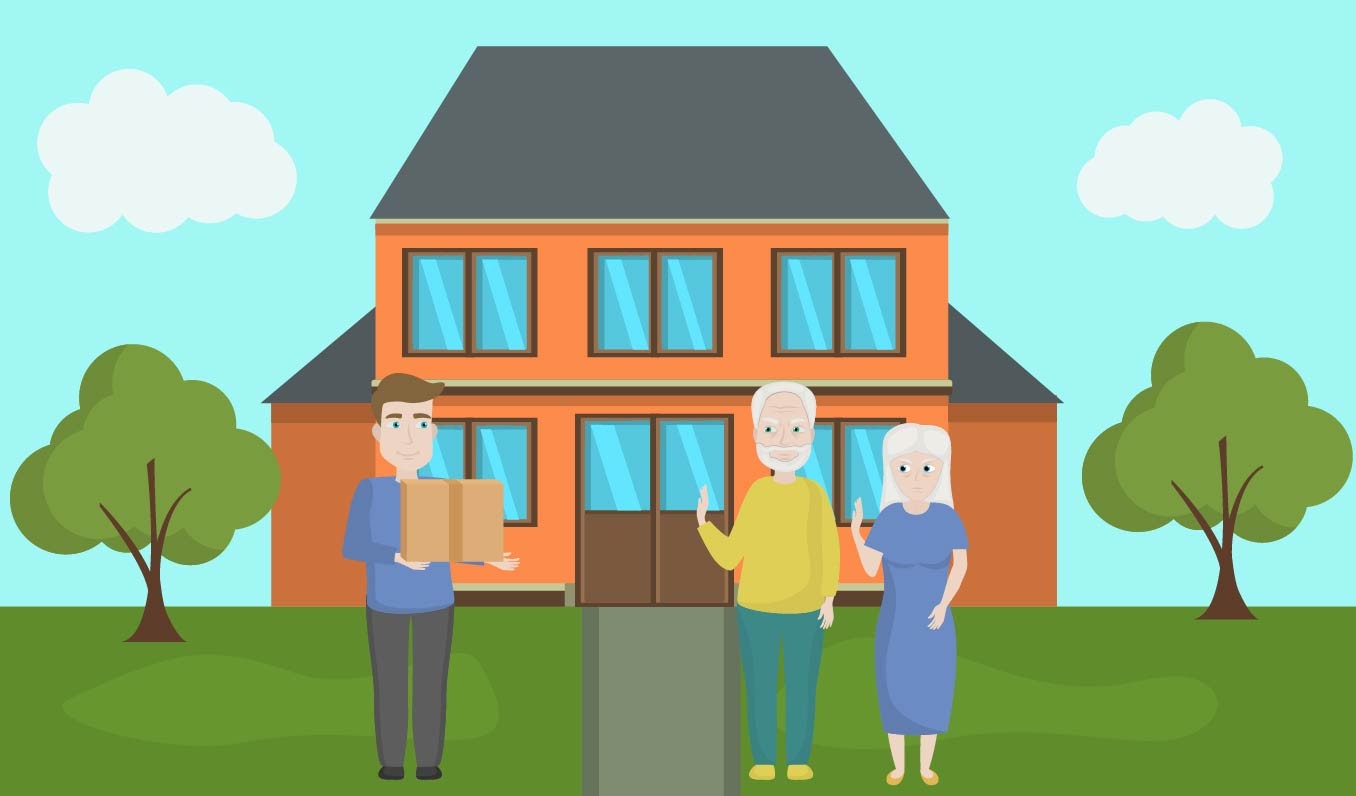
Our homes are more than just a place to become to slumber comfortably. They are the places where we raise our families, make memories, share experiences, celebrate joyous occasions, and spend fourth dimension with those we honey. Imagine how y'all would experience if someone of a sudden told y'all that you would have to leave your abode against your will and live someplace else – either with some other family member, in an assisted living facility, or in some other type of residential care heart.
Are any of these living arrangements something yous would agree to? While your parents may exist getting older, struggling with mobility, or dealing with other health-related problems, they probably wouldn't concur to whatever of them either.
Even and so, this is a word that many adult children of aging parents volition have with their parents at some signal.
Co-ordinate to an AARP report, 87 percent of people would prefer to historic period in place (continue to live in their own homes as they go older). But unfortunately, this may not be the best decision for some people. Equally adults, your parents accept the right to make their own decisions about their lives. Only because they are getting older doesn't mean that they should lose their independence or lose command over their lives. So, what can you do if you actually believe that staying in their dwelling might not be the best idea, but they don't want to motility or aren't ready to move yet?
We asked twelve experts for their opinions, and we wanted to share their advice with you.

1. Assess the Reasons Why They Should Move
Fritzi Gros-Daillon, MS CAPS, CSA, SHSS – Age Condom America
"Assess the 'why' of your parent's disability to stay [at] dwelling. In one case you accept identified the reasons, the solutions must cover the total range of options, such as in-home caregiving by family, in-home caregiving by professionals, move to smaller yet independent living, motion to assisted living or community household. Get-go with your parent's preferences, medical considerations, and personal support network, and so doing the financial assay for each option, you volition have the framework with which to develop a plan and strategy for a successful transition."
2. Realize They May Insist on Remaining at Home
Pamela D. Wilson, Caregiving Skillful, Advocate, and Speaker – The Caring Generation
"Moving an aging parent from their home is not a decision to be taken lightly. Nearly crumbling adults want to remain in their abode forever. While the transition to a care community may at some point be necessary, the first step should exist identifying what actions tin be taken to help the aging parent remain at dwelling. While aging parents may disagree with moving, moving to a intendance customs may not piece of work out similar adult children wait."
3. Exist Understanding
Roberta Satow, Ph.D. – Roberta Satow
"Many elders do not desire to exit their homes although they cannot care for themselves. The first footstep is to show that y'all understand how hard this is. If you know he or she will put up a fight, information technology might exist helpful to visit someone in an assisted living domicile."
4. Make up one's mind if Their Home Tin exist Adapted
Amy Goyer, AARP Family and Caregiving Practiced and Author of Struggling Life, Piece of work, and Caregiving – AARP Family Caregiving
"If the home isn't safe for them, what can we practise to adapt the home? Expect at all of the alternatives. If their wish is to stay at home, we (as caregivers) need to brand adjustments. You lot have to respect the fact that they tin can make their own decisions."

v. Address Your Concerns
Bonnie Friedman, Author of Hospital Warrior: How to Become the Best Treat Your Loved One – Hospital Warrior
"Make sure your parent understands that yous love them and are concerned; be articulate you lot are not trying to force them to practise something they don't want to do. Explain what issues in particular business organisation y'all the most. Mention specific problems such as repeated falling, leaving the stove
on, or other serious rubber hazards. Then talk virtually options, such equally an alarm system, aides who tin aid with activities of daily living, and other possibilities."
half-dozen. Endeavour Aging in Place Commencement
Anastasia Blaszczyk, Family Caregiver, President and Founder of Crumbling Parents Management – Crumbling Parents Management
"In order to convince Mom to move, you will take to have wearied all other options. Y'all will accept had to attempt to let her attempt crumbling in place first, merely when information technology is no longer possible to do it safely, this will be the manner to get-go this difficult conversation with her. As much as we want them to movement out of their abode, this will non be possible every bit long as they experience they tin can manage it."
7. Exist Proactive Versus Reactive
Dr. Melissa Henston, Psychologist, PsyD – Colorado Neuro Behavioral Wellness
"I would prefer the conversation start when the parents are relatively healthy and nonetheless able to hold a rational conversation. These are the questions: Where would you lot like to alive if you cannot remain here? If you would like to remain here, how do you feel about making some helpful modifications to the business firm? Tin can we add some items to the firm to make information technology safer for you? (Security systems, improve lighting, safety rails in bathroom, cameras, communication devices where you can activate by speaking). How do you experience most having some people come into the business firm to aid you? Being proactive versus reactive is the amend fashion to go."
8. Arroyo Them with Empathy and Compassion
Tami Neumann, CDCS, COO & Cathy Braxton, CDCS, CEO – Silverish Dawn Training Institute
"Information technology is very of import to remember the value of an empathic approach to the conversation. Consider how you would feel if a law officeholder pulled you lot over for speeding and decided to revoke your license indefinitely, rendering yous unable to drive. Regardless of the cop being right or incorrect, someone else just determined your fate. Our homes mean so much more than to us than but a plot of country, a geographic location, or an address. They cover memories, experiences, a gathering place for loved ones, a sense of security, a sense of accomplishment, a symbol of adulthood, independence, growth, change, and love. As developed children, if we just bound in without an empathic and compassionate approach, we will striking a brick wall each time."

9. Present Alternatives to Encourage Their Input
Matt Estrade, CAPS, President, Consultant, Trainer at Care Partner Mentoring, LLC – Peace With Dementia
"Remember while they are aging, they are still your parents, used to being in charge of your intendance, and it can be a challenge to their nobility and ego to be at present taking orders from developed children. If staying in the abode lonely is no longer an option, nowadays alternatives so they have some input. Hopefully, they volition land on a conclusion that you both agree on."
10. Respect Their Autonomy
Toula Wootan, Caregiving Adept, Creator of Caregiver's Coalition of Northeast Florida – Toula's Tips for Caregivers
"Try to empathise their feelings, exist reassuring of your love for them, merely besides your business concern for their condom. It often helps to have a professional person, such equally a social worker or geriatric care manager, talk with them. The all-time thing you lot can practise for them is permit [them] be a part of the decision-making procedure. In the terminate, when all measures fail, nosotros take to remember that they are democratic, (if no dementia or mental health problems are present)."
eleven. Hash out Options Earlier They are Needed
Marti Weston, Independent Health Blogger on Aging, Caregiver – As Our Parents Age
"I would recommend that every adult child talk, over and over, about what their parents desire, long before the need to move comes upward. Use hypotheticals and ask questions. Thus asking them what to do if dad needs lots of assist that mom cannot give to him or the other way around."
12. Create a Listing and Determine Their Needs
Rhonda Caudell, RN, CCM, The Aging Parent Expert – Endless Legacy
"Together with your parent, build a list of every care need they accept in which they cannot consummate themselves and why. Develop other ways those needs can exist met, such every bit with the help of an in-home care professional, family member for meals and medicine management, dwelling house modifications needed for safety. Visit with them, senior care facilities in their area and so they go a visual of all their options and costs for in-home intendance needs and facility care needs. Often their refusal is based on not understanding the real options."
Conclusion
As an adult child of crumbling parents, it can be difficult to know how to approach sensitive topics, such equally their living arrangements. Keeping some of these tips in mind may assistance yous handle those hard discussions without analytical your parents or making them recollect yous are trying to have abroad their right to make their ain choices. Often times, letting them know y'all are coming from a place of concern and understanding, are willing to mind to them, and are respectful of their wishes, may become a long way toward reaching a determination that makes everyone happy.
Back to BlogSource: https://californiamobility.com/elderly-parent-refuses-to-move/
0 Response to "What to Do When Elderly Parent Refuses to Move"
Post a Comment